
Daimler
1974 Daimler Double Six Vanden Plas 5.3L V12
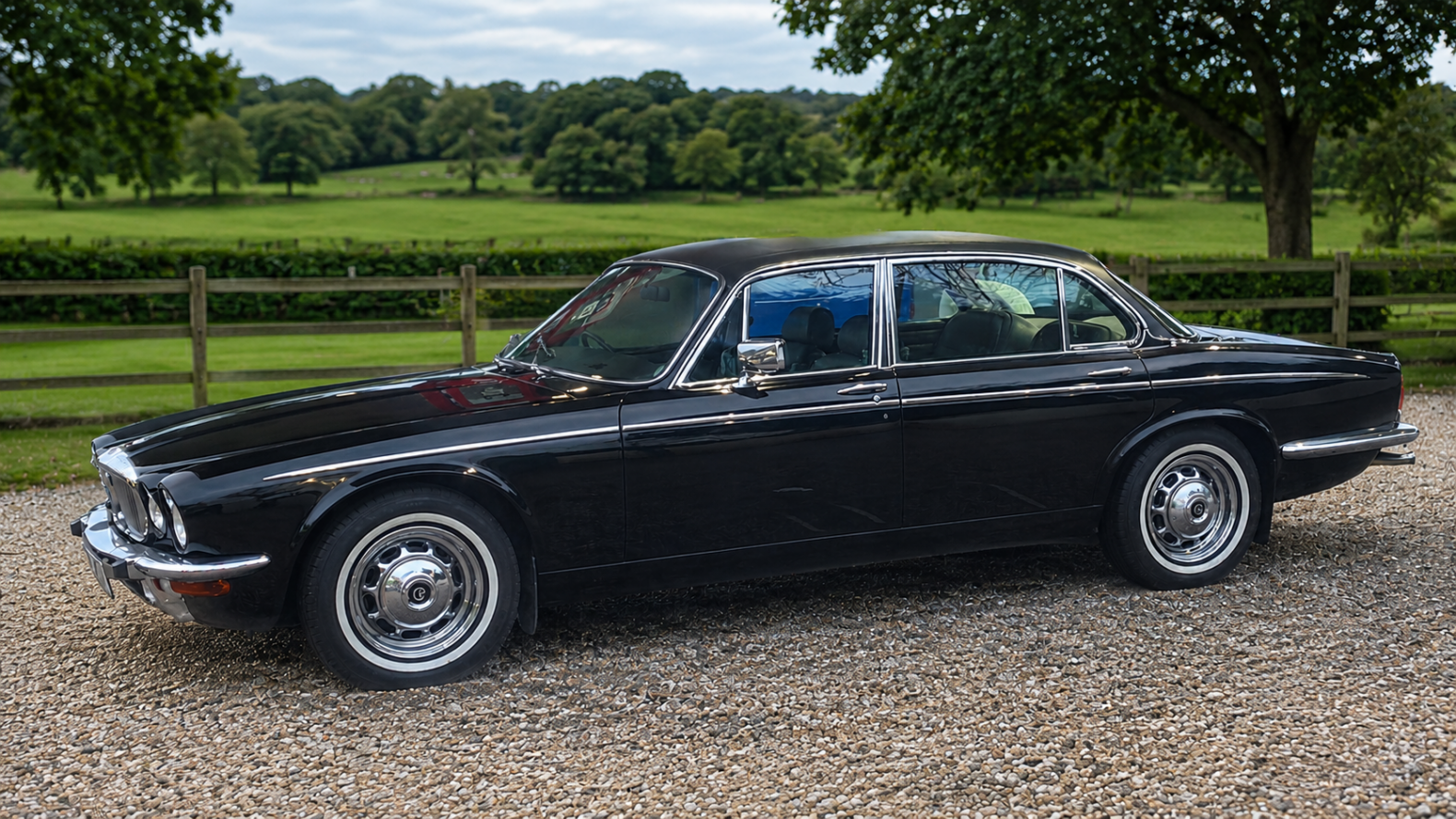
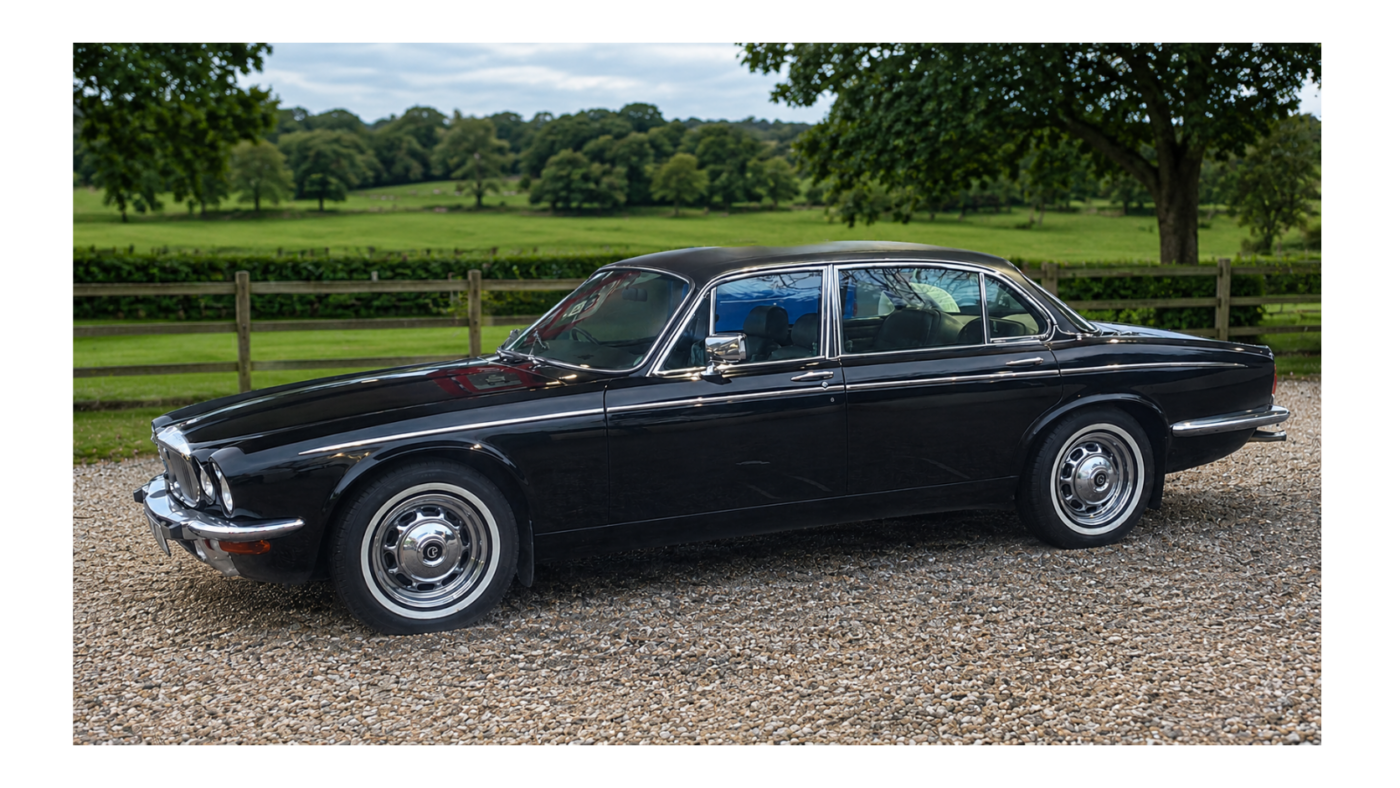
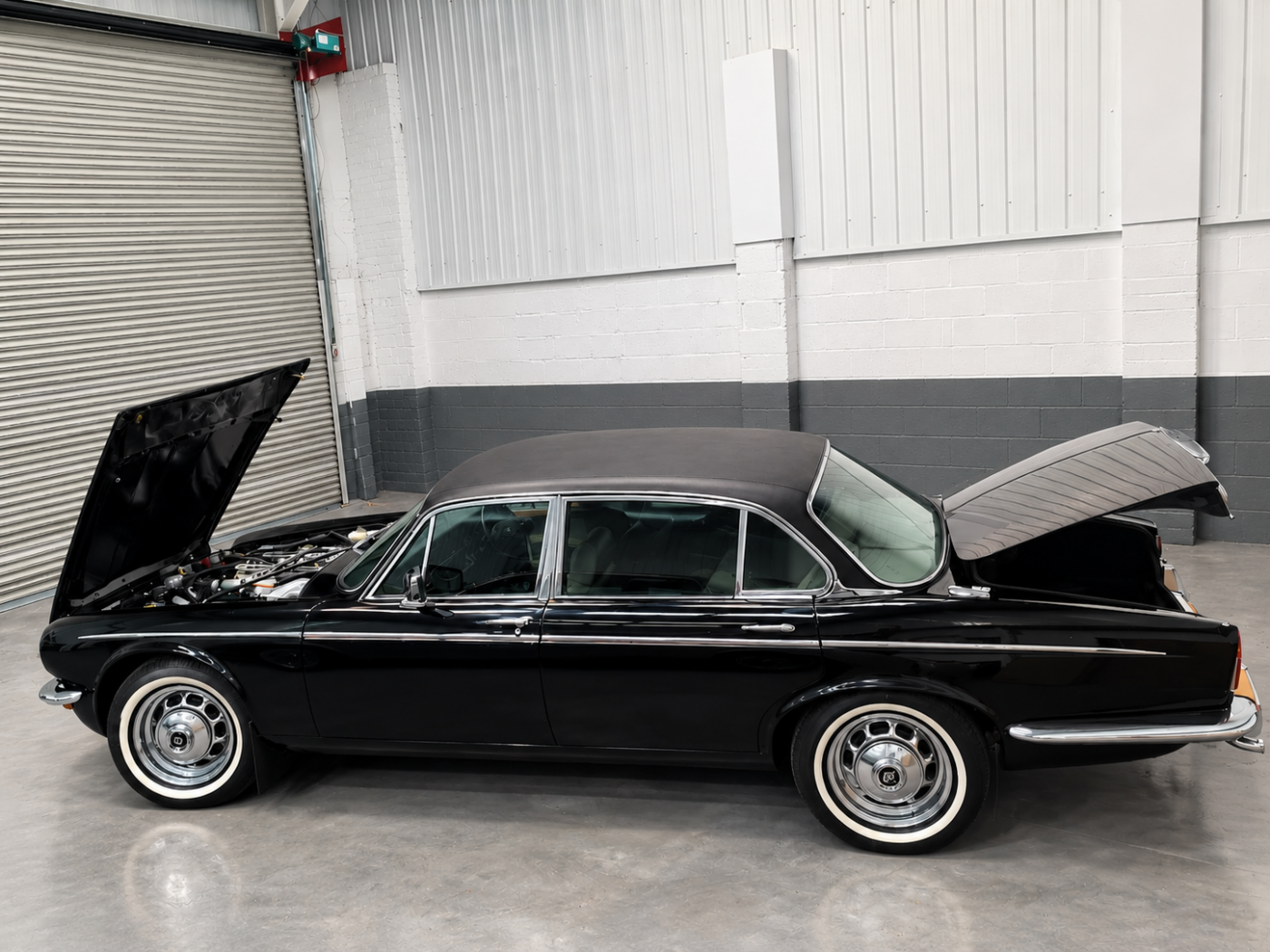
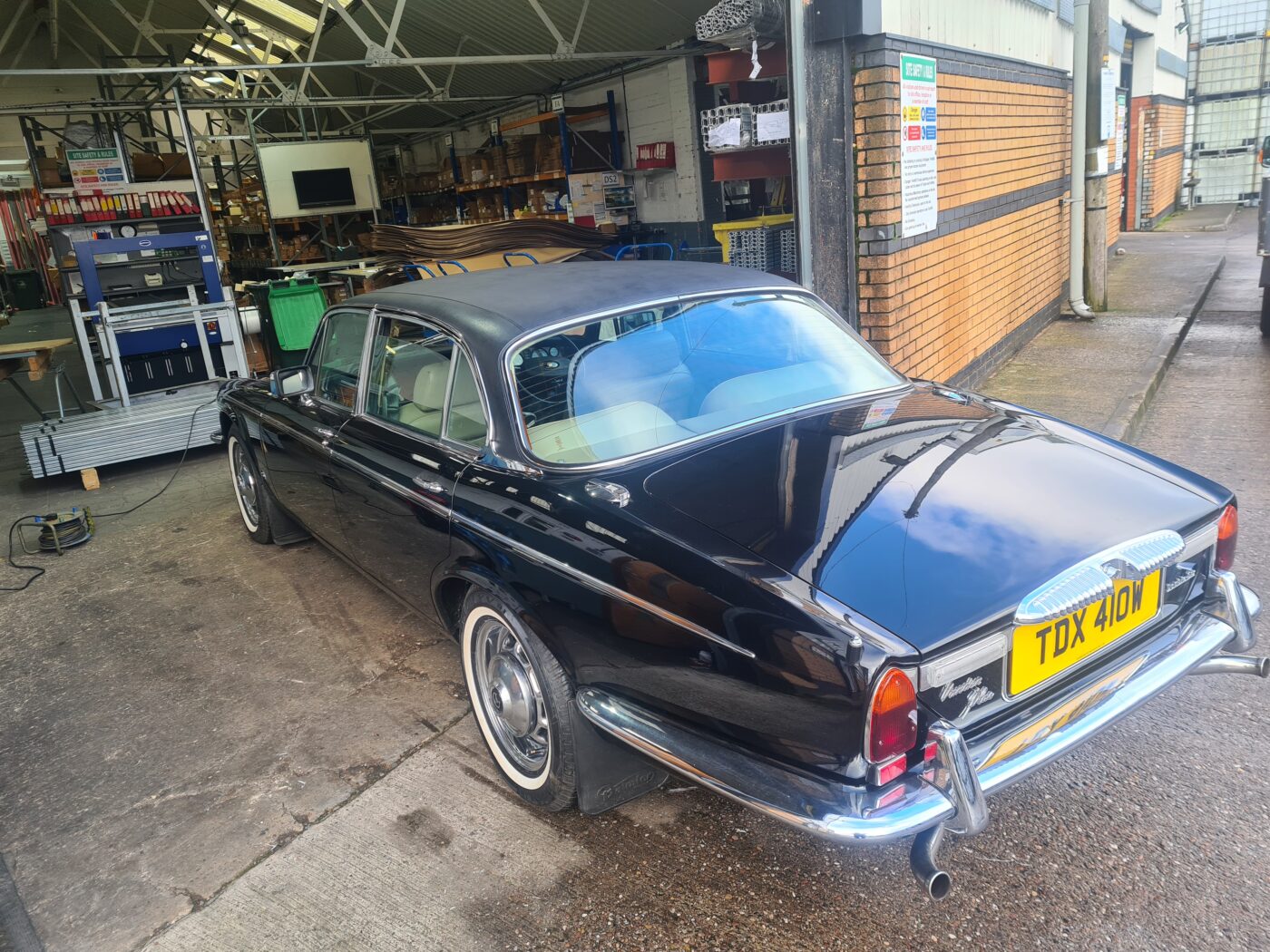
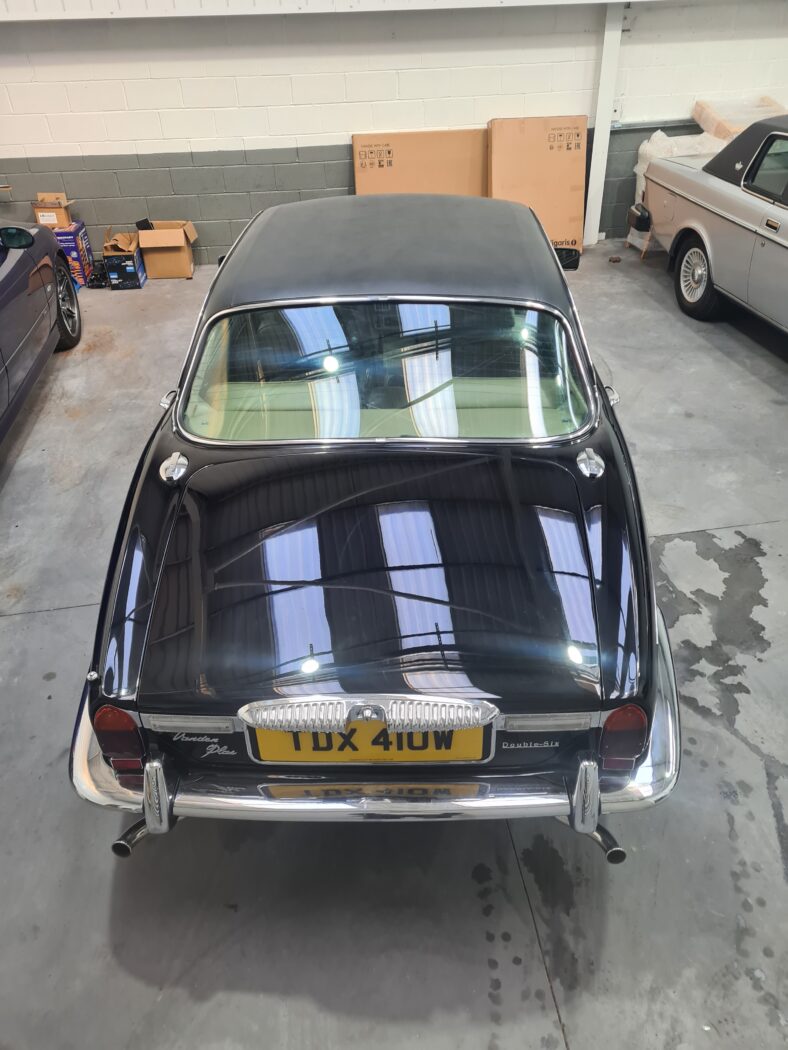
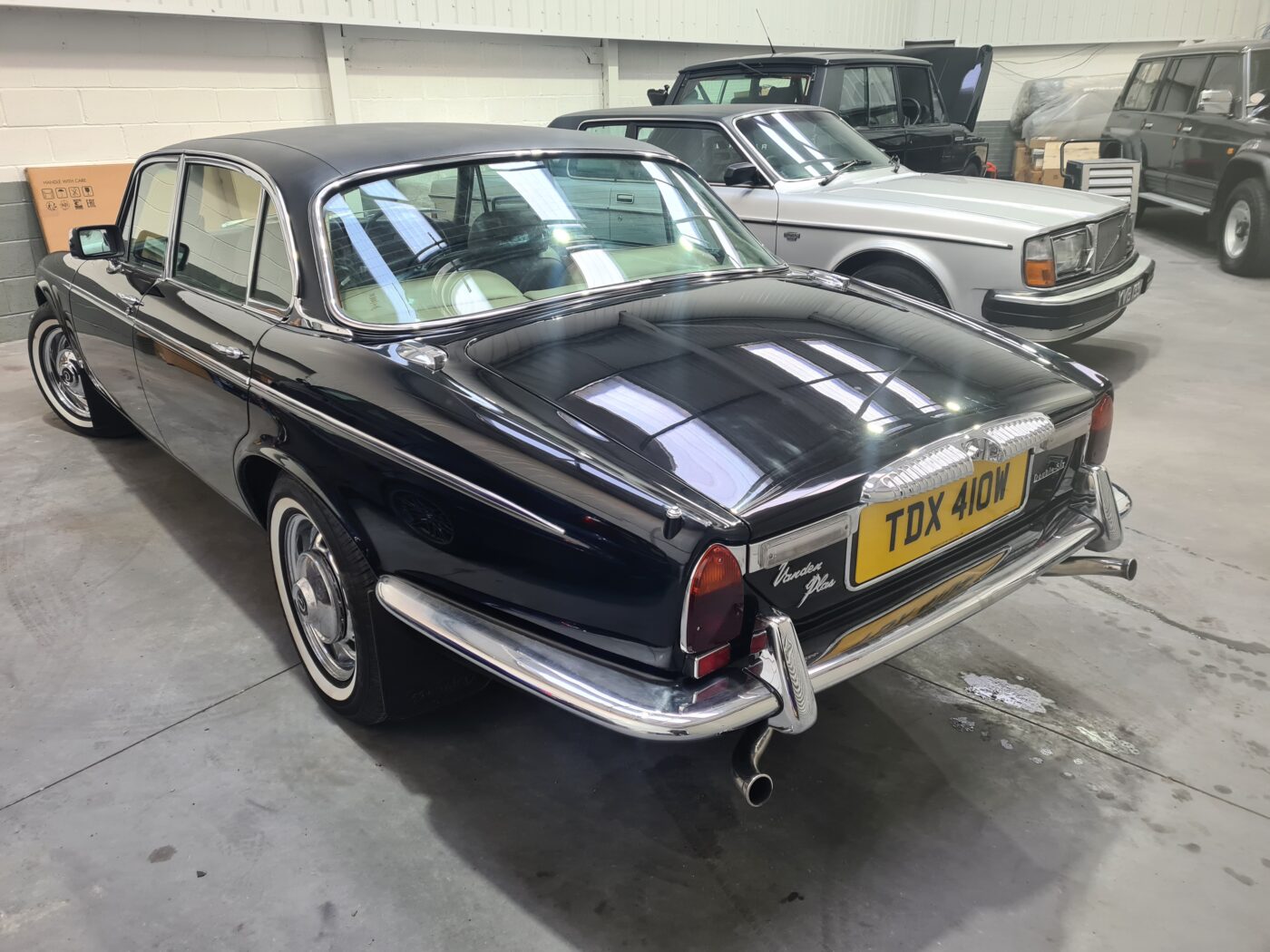
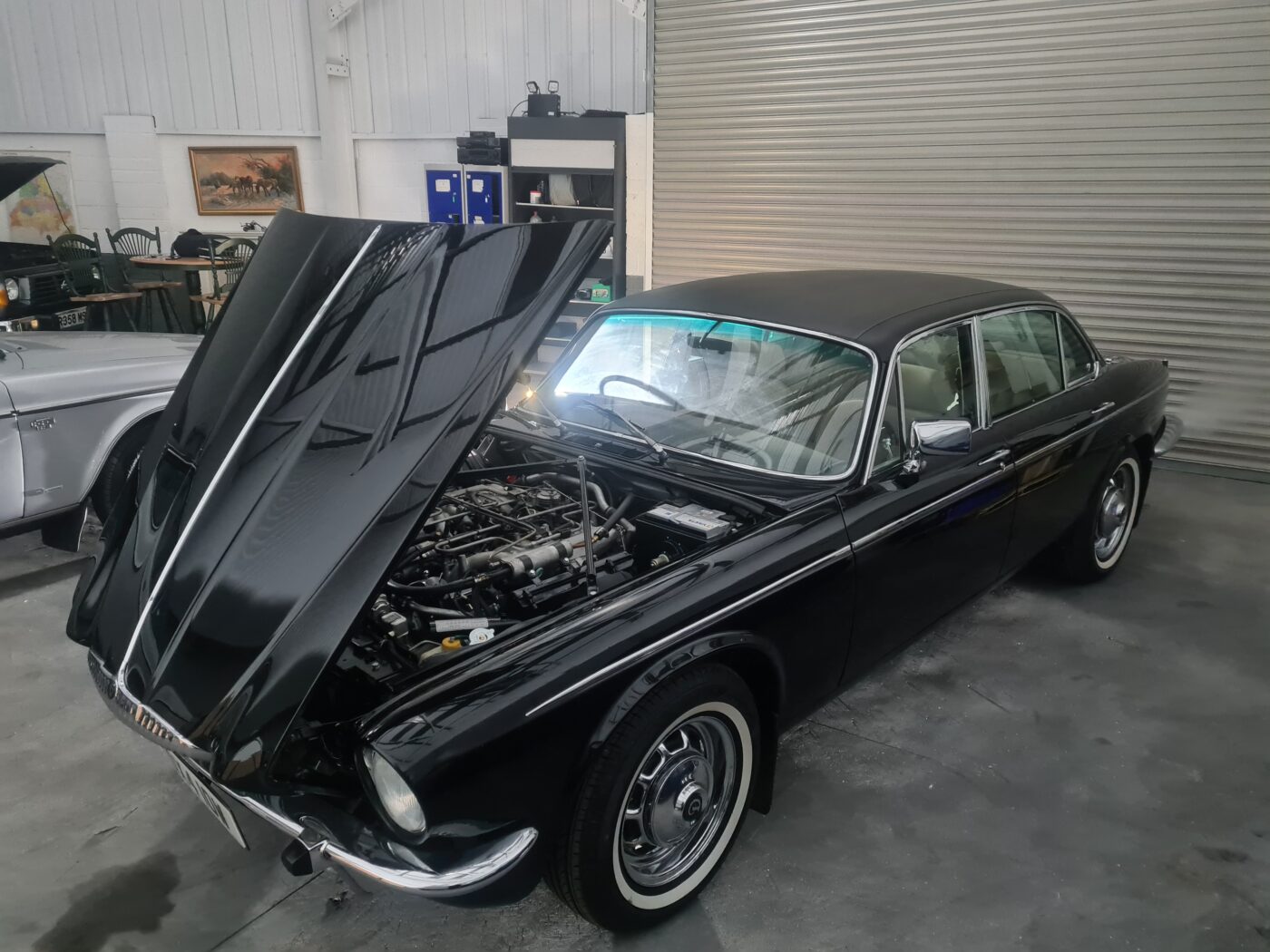
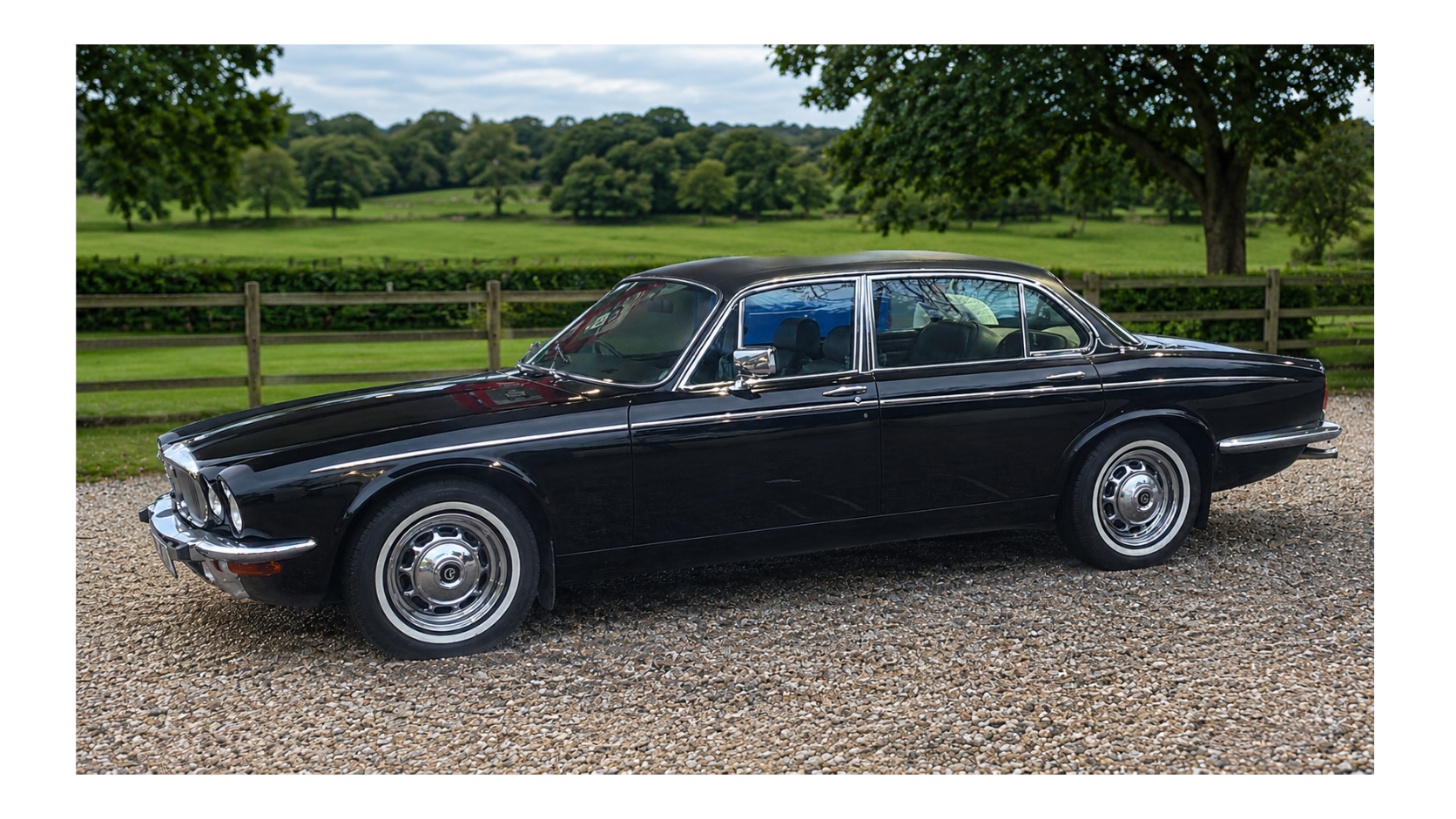
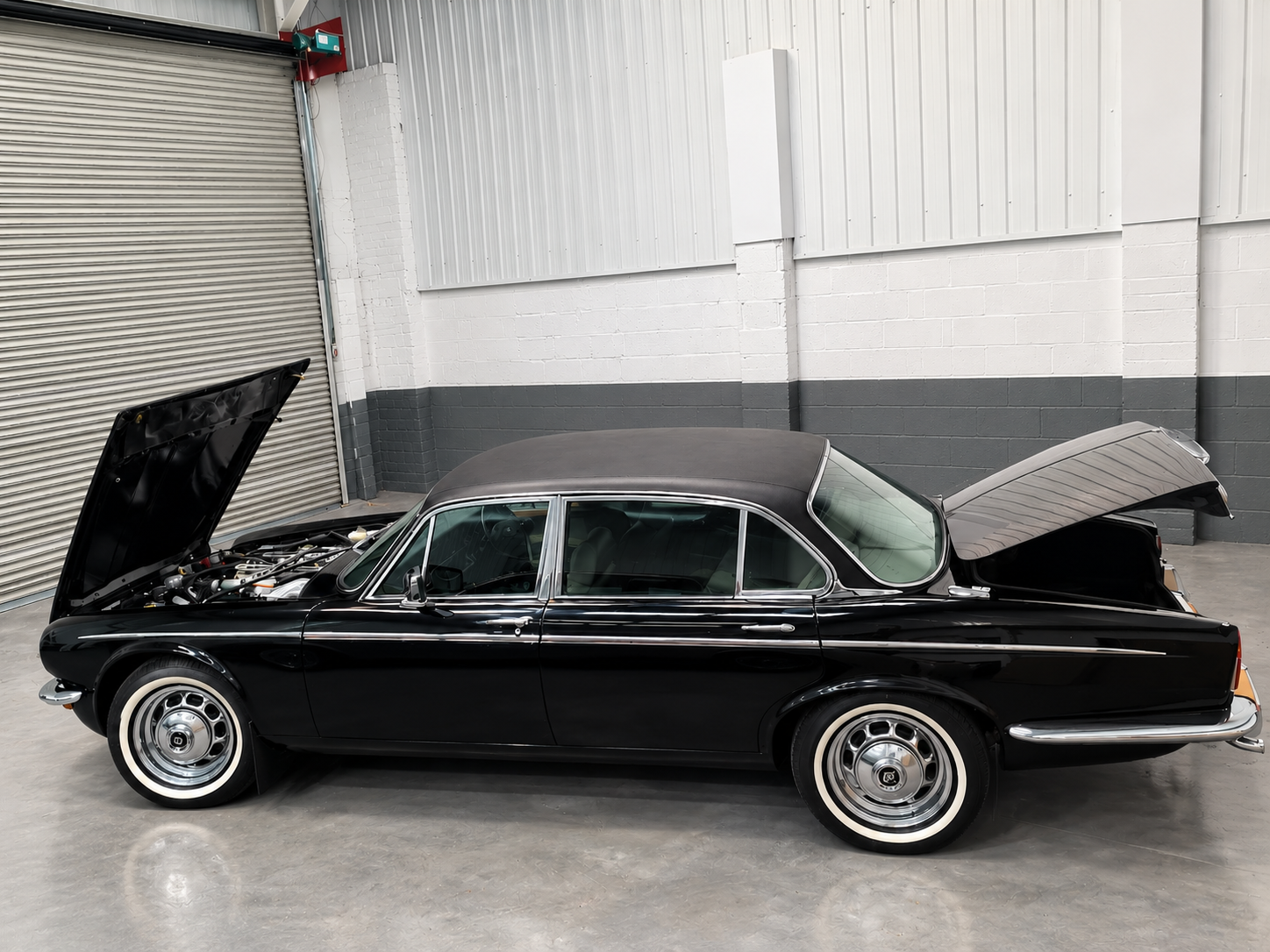
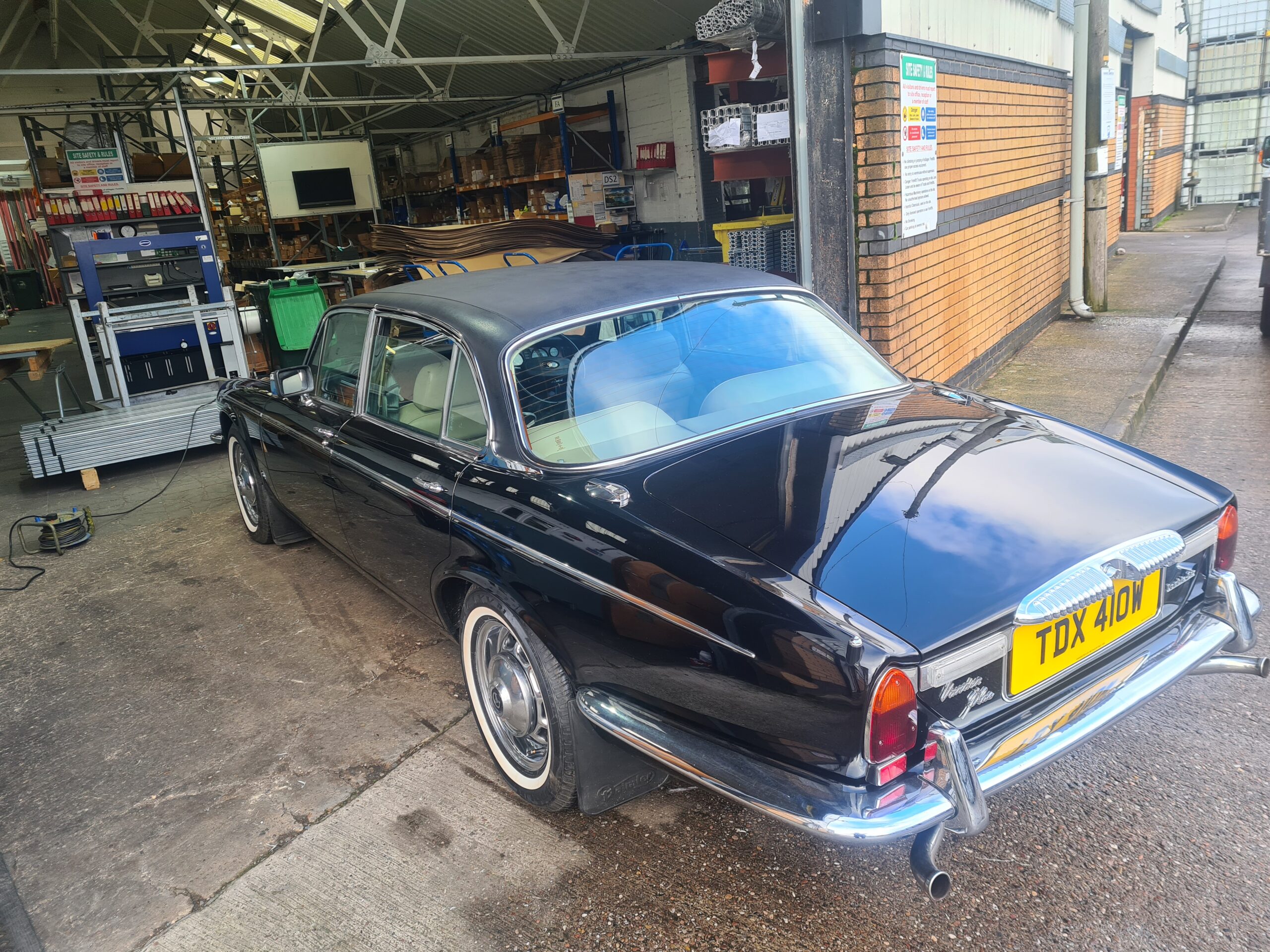
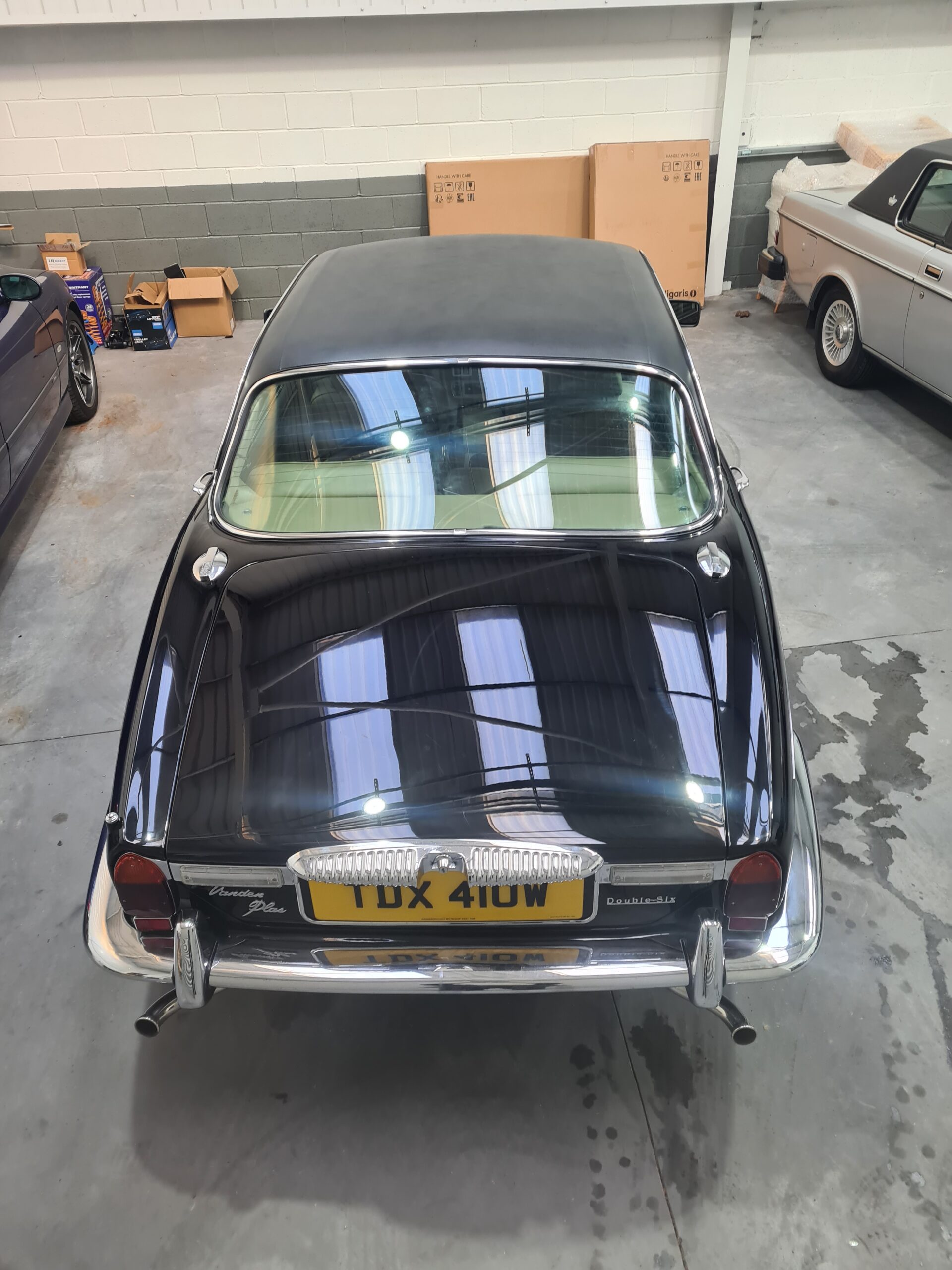
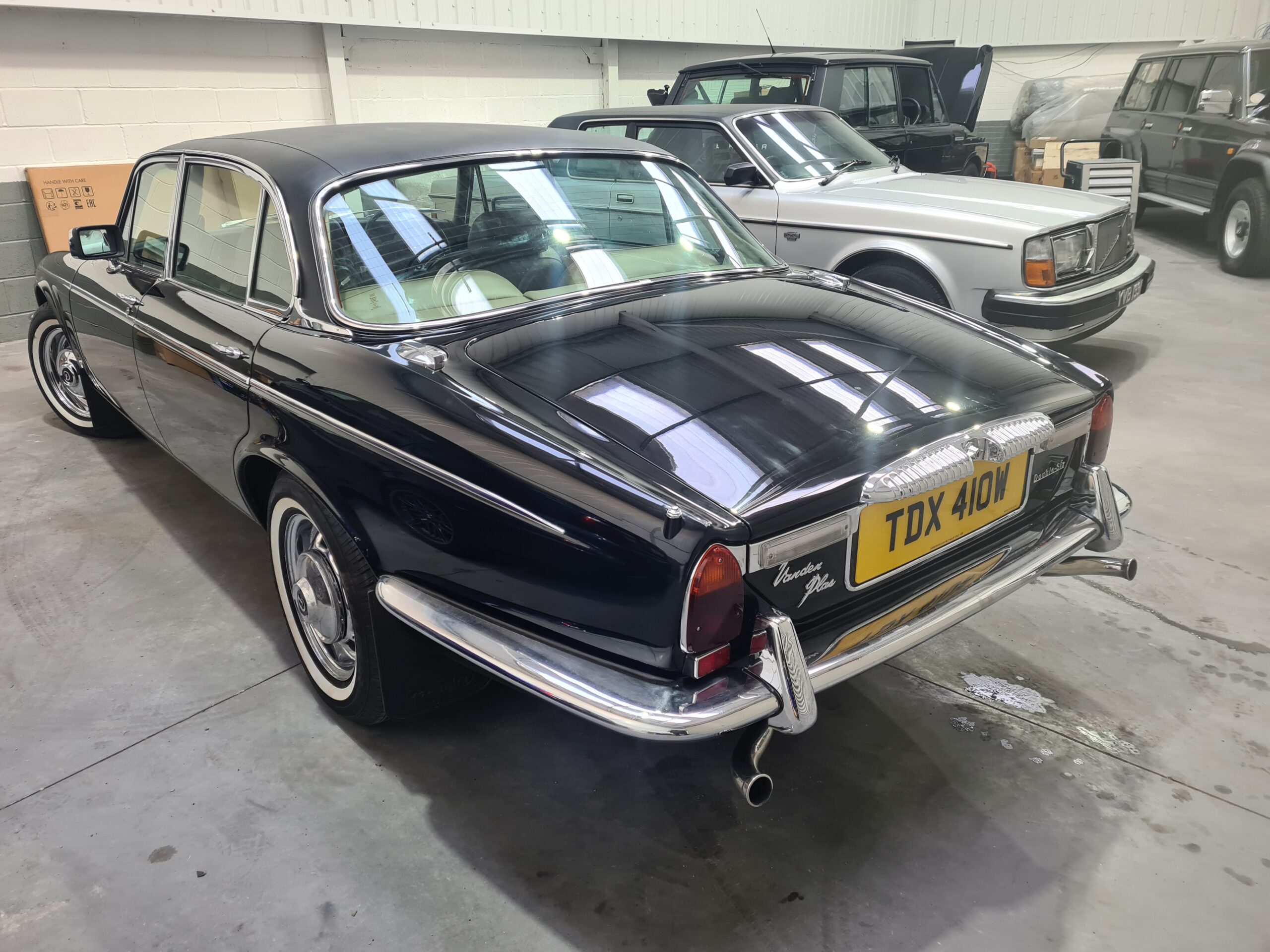
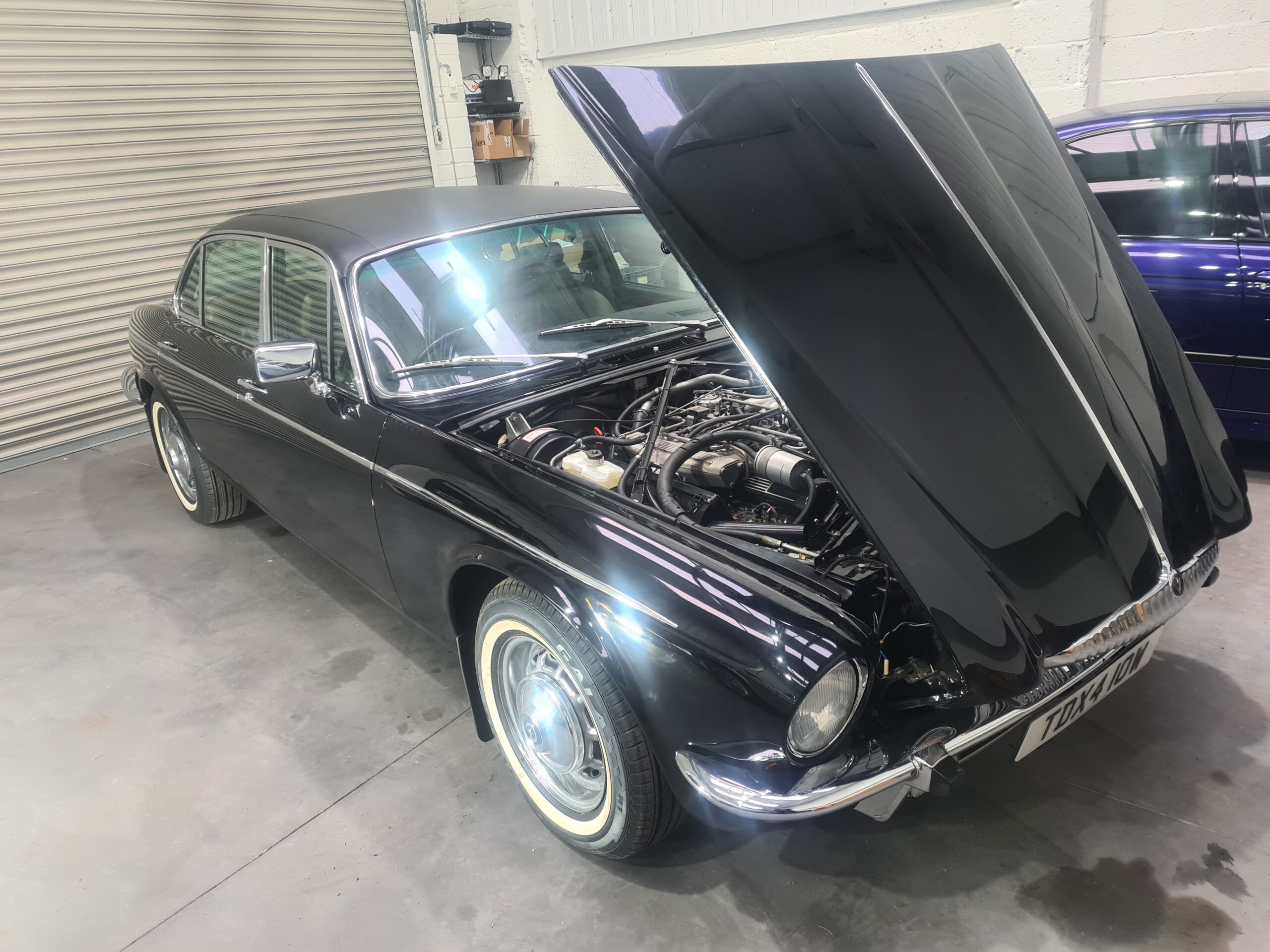
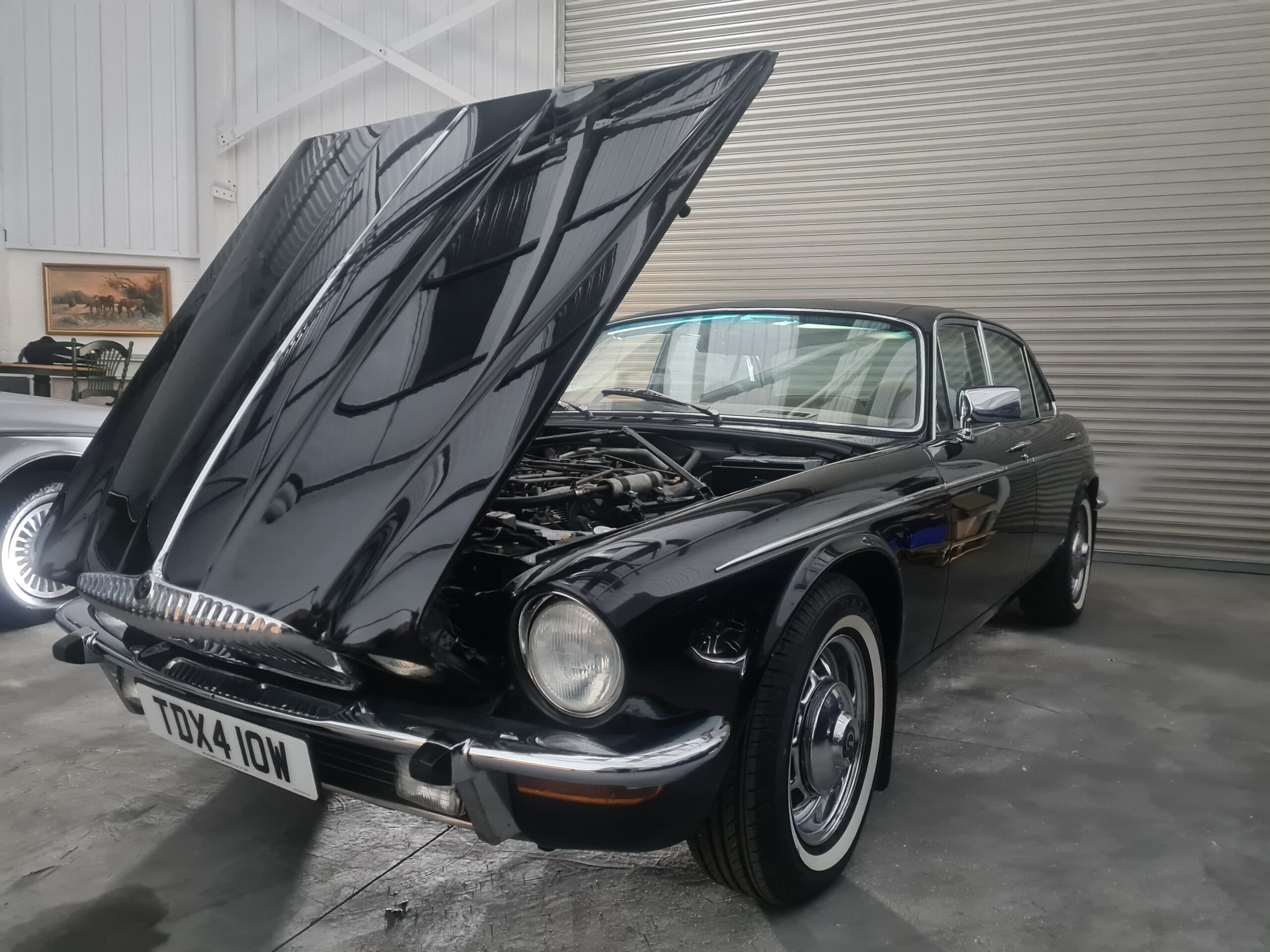
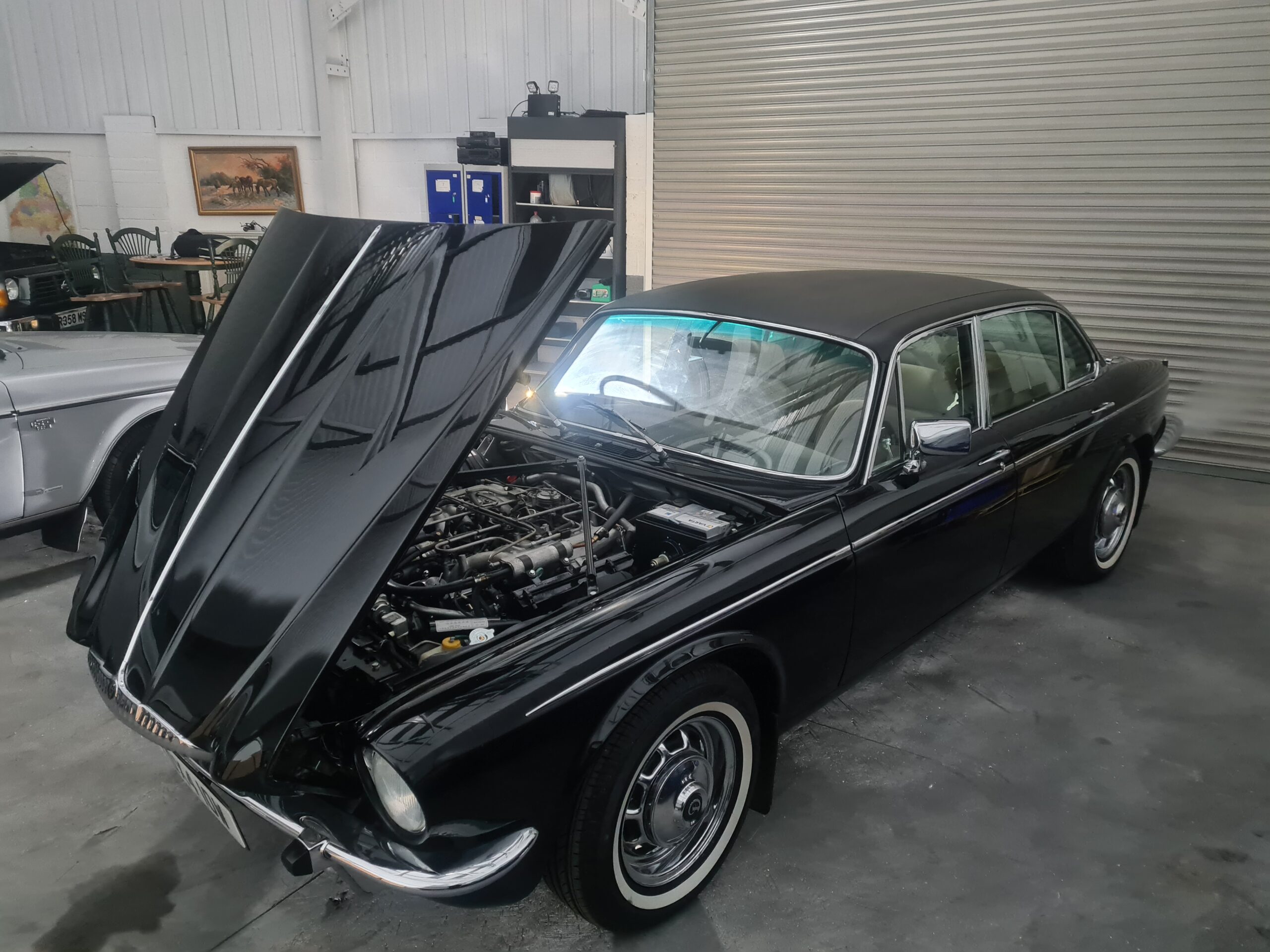
1979 Daimler Double Six Vanden Plas Series II with a 5.3-litre V12, three-speed automatic transmission and 41,126 recorded miles, finished in black.
On film
The 1979 Daimler Double Six Vanden Plas represents one of the most distinctive British luxury cars of the late 1970s. Powered by Jaguar’s naturally aspirated 5,343 cc V12 and paired with a three-speed automatic transmission, this Series II example combines twelve-cylinder performance with the hand-finished luxury associated with the Vanden Plas name.
This particular car is finished in black and shows 41,126 recorded miles. As a 1979 Series II Double Six Vanden Plas, it comes from the final period of Series II production before the arrival of the Series III.
Our 1979 Daimler Double Six Vanden Plas
This example combines the long-wheelbase Series II platform with Daimler’s 5.3-litre V12 powertrain and the more exclusive Vanden Plas specification.
With 41,126 recorded miles, the car retains the imposing proportions, restrained detailing and distinctive character that separated the Double Six Vanden Plas from more conventional luxury cars of its period.
Its history and recorded mileage are documented further on this page, alongside photographs and video of the actual car.
5.3-Litre Jaguar V12
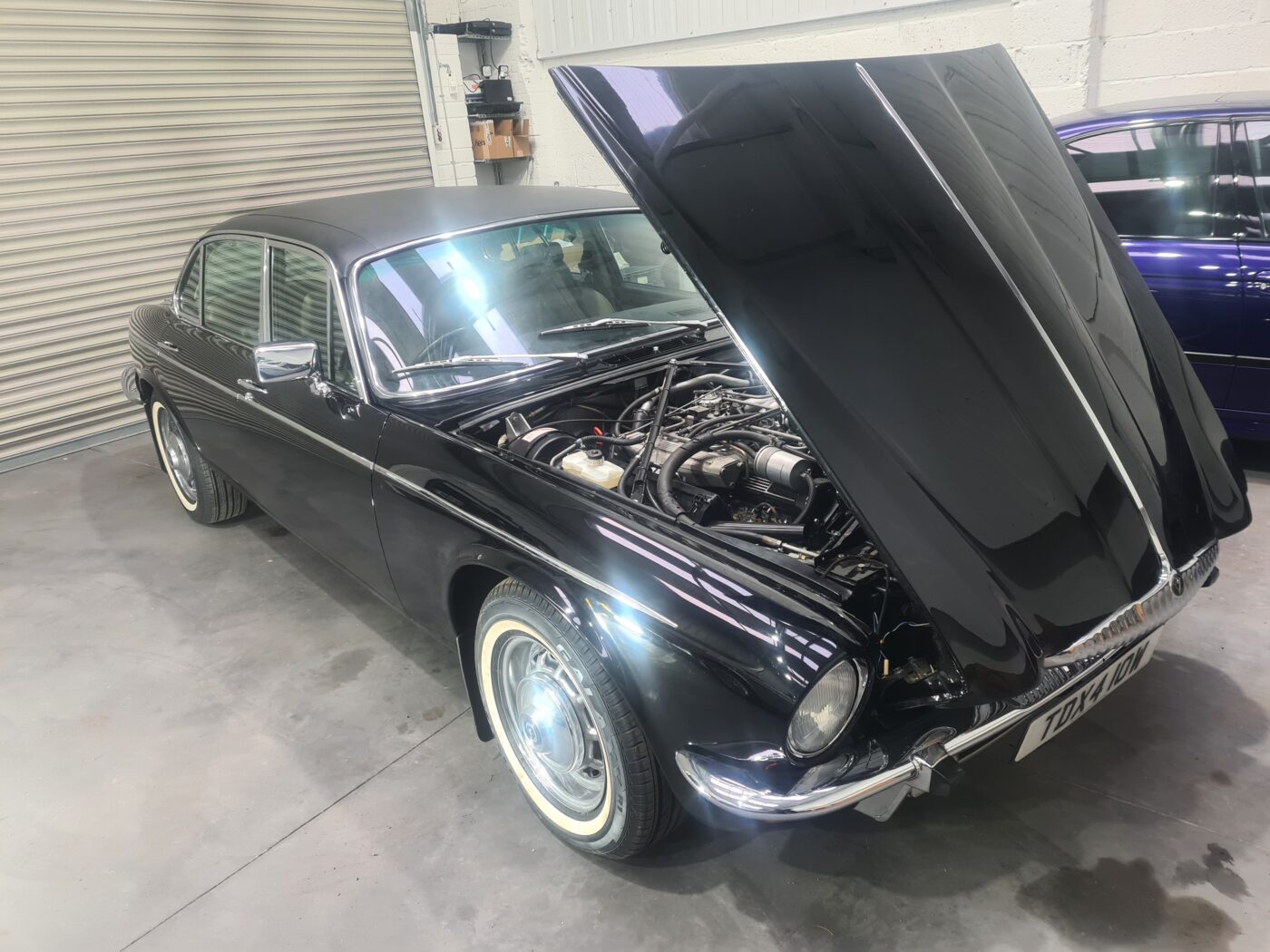
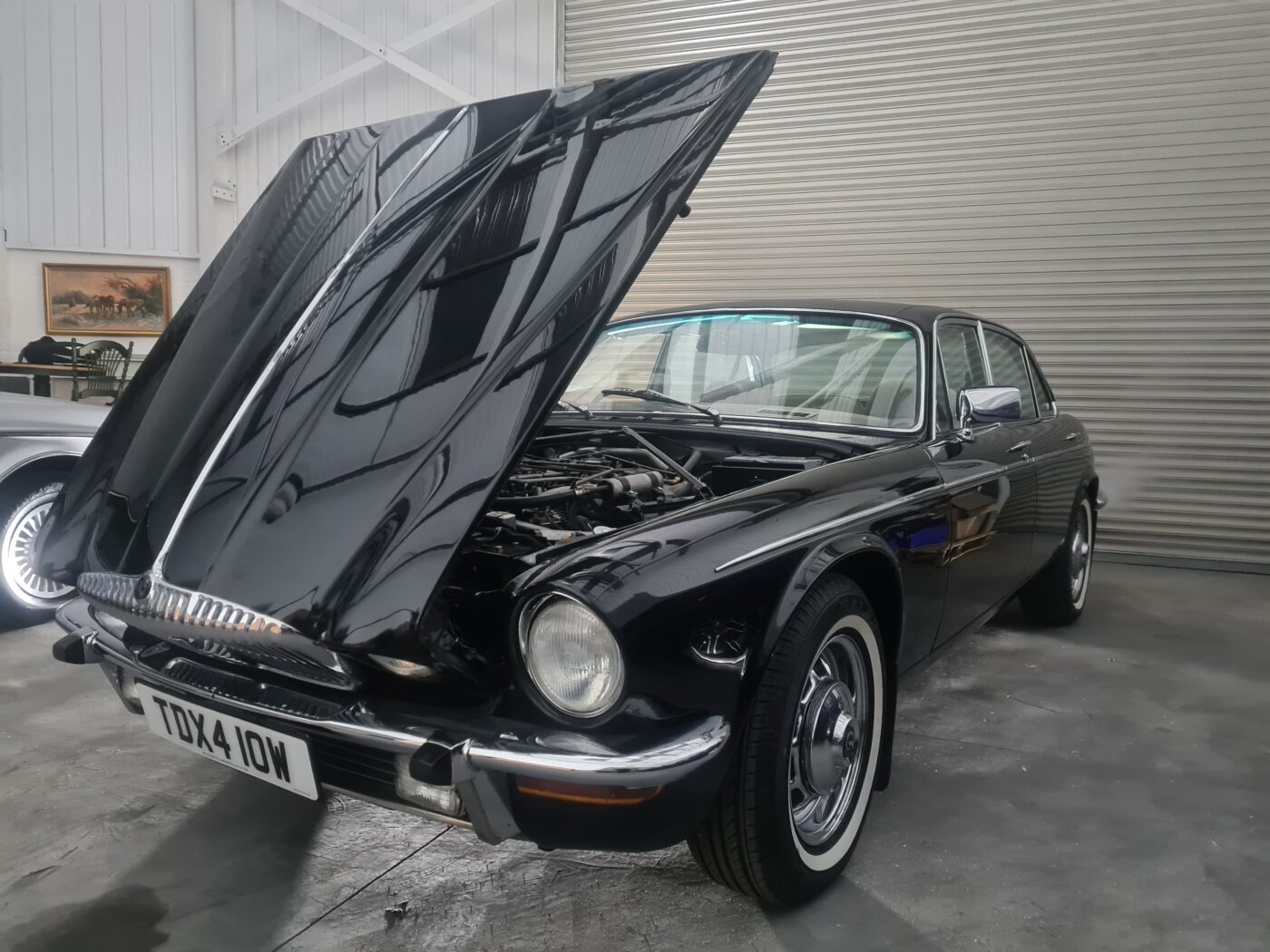
At the heart of the 1979 Daimler Double Six Vanden Plas is Jaguar’s naturally aspirated 5,343 cc V12 petrol engine.
For the 1979 European Series II specification, the fuel-injected V12 produced approximately 285 bhp DIN and 399 Nm of torque.
Power is delivered to the rear wheels through a three-speed automatic transmission, giving the Double Six the smooth and unhurried performance for which Jaguar’s twelve-cylinder engine became renowned.
The purpose of the V12 was not simply outright acceleration. Its defining characteristic was the ability to deliver substantial performance with exceptional smoothness, making it particularly well suited to Daimler’s range-topping long-distance luxury model.
Series II Double Six
The Series II generation was introduced in 1973 and brought a number of changes to the XJ-based Daimler range, including revised exterior detailing, a smaller grille and an updated interior.
By the later years of Series II production, the V12 models used fuel injection and automatic versions were equipped with the General Motors Turbo-Hydramatic 400 three-speed transmission.
Series II production came to an end in 1979, placing this car among the final examples of the generation before the substantially revised Series III appeared.
Vanden Plas Craftsmanship
The Vanden Plas specification occupied a special position within the Daimler range and placed an even greater emphasis on passenger comfort and interior finish.
The long-wheelbase cars received specialist Vanden Plas treatment, with carefully finished interiors using traditional materials including leather and wood veneer.
Combined with the Double Six V12 powertrain, the Vanden Plas specification created one of the most luxurious Daimler models available during the period.
One of 1,711 Series II V12 Vanden Plas Cars
The Series II Double Six Vanden Plas was produced in far smaller numbers than the mainstream XJ-based models.
Production records published by the Daimler & Lanchester Owners’ Club list just 1,711 Series II V12 Vanden Plas examples.
That limited production, combined with the 5.3-litre V12, long-wheelbase body and Vanden Plas specification, makes surviving examples an unusual part of Daimler’s 1970s history.
A Final-Year Series II Daimler
1979 was a transition year for the Daimler and Jaguar XJ ranges. Series II production came to an end while the Series III was introduced, making late Series II cars particularly useful examples of the development of the original XJ design.
Jaguar Daimler Heritage Trust production records show Series II Double-Six Vanden Plas cars continuing into 1979, with the final Series II vehicles completed during that year.
This 1979 Daimler Double Six Vanden Plas therefore combines the mature Series II design with the later fuel-injected version of Jaguar’s 5.3-litre V12.
History of This Daimler Double Six Vanden Plas
This particular example shows 41,126 recorded miles.
Its recorded MOT history provides a chronological record of the mileage, while the gallery and videos on this page document the actual car, its exterior details and its character on the road.
Finished in black, the car combines the understated appearance of the Series II Daimler with the V12 powertrain and Vanden Plas specification that placed it at the top of the range.
Why the Daimler Double Six Vanden Plas Matters
The Double Six revived one of Daimler’s most famous model names for Jaguar’s V12-powered luxury flagship.
In Vanden Plas form it brought together several defining elements of British luxury motoring of the period: a twelve-cylinder engine, rear-wheel drive, long-wheelbase proportions, traditional interior materials and specialist hand finishing.
More than four decades later, the Daimler Double Six Vanden Plas remains a distinctive alternative to the equivalent Jaguar models and an important part of Daimler’s post-war history.
Enquire About This 1979 Daimler Double Six Vanden Plas
For further information about this 1979 Daimler Double Six Vanden Plas 5.3L V12, including its history, provenance, photographs, viewing arrangements or availability, please contact Direct Classics.
Comments
Seen one of these?